
История героя
Рихтофф
Баннереты · Атака
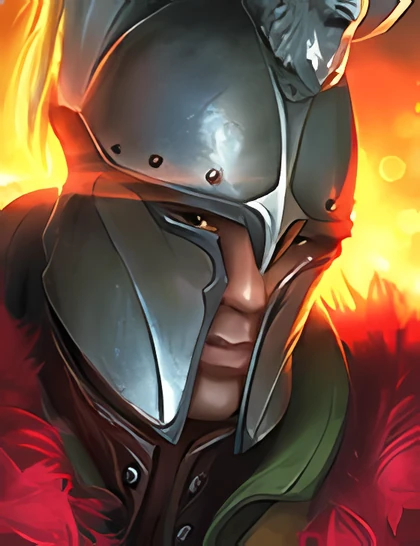
Прозвища баннеретов – это определенные эпитеты на языке рыцарского кодекса. Они не бывают случайными и играют важную роль в наследии и исторических хрониках воинов. Выбор этого самого прозвища отчасти вне их контроля. Оно сформировано общественным восприятием. Зная это, большинство рыцарей прилагают усилия, чтобы продвигать среди народа самые благозвучные для них варианты. Несмотря на их усилия, многие лорды вошли в историю с гораздо более позорными прозвищами, чем Рихтофф Смелый. Но Смелый – это скорее эвфемизм. Рихтофф и его министры стараются искоренить другие эпитеты, но безрезультатно. Поэтому существуют такие прозвища, как Негодяй, Отравитель и другие, более вульгарные.
Рихтофф был четвертым сыном герцога. И его не ждало какое-либо значимое наследство. Дни на пролет он предавался утехам и охотился в кругу друзей и льстецов. Охота – важная часть рыцарских традиций баннеретов. Часто дворяне используют ее как способ посоревноваться в проявлении доблести или решить спор без кровопролития. Традиционно дворяне используют классические архаичные конструкции луков и копий, чтобы придерживаться стандарта вооружения, по которому можно судить об их достижениях. И только трофеи, добытые во время формальной охоты с традиционным оружием, считаются престижным.
Рихтоффа, однако, ни капельки не волновал этот аспект охоты. Он использовал инновационное оружие, такое как арбалет, и погружал наконечники стрел в смертельный яд. Охотники презирают яд, опасаясь испортить мясо, а лорды считают отравление бесчестным и трусливым. Рихтофф же заботился только о том, чтобы убить добычу. Он любил погоню и не выказывал страха перед смертоносными зверями. Но он не хотел затягивать охоту и гоняться за добычей дольше, чем это необходимо.
Рихтоффу в охоте составляли компанию люди из низших сословий, так как большинство лордов его презирало. Но со временем он стал более честолюбивым и понял, что если он на словах будет следовать правилам Баннеретов, то сможет достичь величия.
Третий сын герцога, Гофрик, отправился на охоту с младшим братом, Рихтоффом, и был потрясен его методами. Рихтофф молил о прощении. Он попросил Гофрика дать ему еще один шанс и принять участие в охоте, организованной должным образом. Традиции были соблюдены. Но событие омрачила трагическая гибель Гофрика. После этого Рихтоффа осудили два его оставшихся старших брата, Леон и Альвар. До сих пор они мало обращали на него внимания. Они были заняты соперничеством друг с другом за место наследника. Рихтофф сказал им, что смерть брата потрясла и изменила его, так что теперь он будет достойным и ответственным сыном герцога.
Второй сын, Альвар, умер через год на банкете, на котором присутствовали оставшиеся в живых братья. Умер, схватившись за живот вскоре после пиршества. Говорили, что причиной смерти было отравленное вино или еда. Рихтофф и Леон как наследники поместья попали под подозрение. Но у Альвара были и другие враги, которых нельзя было исключать. И многие из них присутствовали на банкете. Убедительных доказательств против братьев найдено не было.
Прошли месяцы, Рихтофф и Леон сильно отдалились друг от друга. Затем Леон тяжело заболел и некоторое время был на пороге смерти. Подозревали, что это опять было отравление, но лучшие целители и маги не могли определить, что именно вызвало недуг. Он выжил и немного поправился, но оставался слабым и был прикован к постели. Леон отказался от притязаний на титул отца и официально заявил, что Рихтофф является наследником. Рихтофф согласился, и с тех пор его болезненный брат остается на его попечении. Рихтофф осыпал Леона заботой, в то же время фактически удерживая его под домашним арестом.
Нынешний герцог довольно пожилой, но здоровый, и, кажется, Рихтофф доволен тем, что он всего лишь наследник, не обремененный обязанностями правления. Он вернулся к охоте, которую теперь ведет по традиции, и получил звание Смелого за свою храбрость в столкновении с опасными дикими животными. Те, кто всё еще подозревают Рихтоффа в отравлениях и имеют по поводу его опасения, интерпретируют это звание по-своему.
Текст: Plarium, RAID: Shadow Legends — официальная локализация.
Текст в оригинале (EN)
A Banner Lord’s secondary title or nickname, known as an epithet in the language of their chivalric code, is not merely a by-product of casual speech, but an important part of the chronicles and legacy of a leader. It is partly outside their control, shaped by public perception and the tongues of countless strangers. Knowing this, most lords make efforts to coin their own, steer any emerging trends, and censor unfavorable appellations. Despite their efforts, many lords have gone down in history with far more ignominious nicknames than Richtoff the Bold. But calling him such is, for many, more a euphemism. Stridently opposed by Richtoff and his ministers, but still commonly used, are many other epithets: Richtoff the Scoundrel, Richtoff of the Vial, and others of varying shades of vulgarity.
Richtoff was a fourth son of a duke, far from any meaningful inheritance. He spent his days in leisure and at hunt with his circle of friends and flatterers. Hunting is another important part of the Banner Lords’ chivalric traditions, often seen as a way for nobles to compare prowess and contest grudges without engaging in armed conflict. Facilitating this, nobles are expected to use traditional, archaic designs of bows and spears, to ensure a fair standard of armament to judge their accomplishments by. A trophy claimed by a noble under any circumstance besides a formal hunt with traditional arms is considered no more prestigious than the carcasses produced by a common trapper.
Richtoff, however, cared not one mote for this aspect of the hunt, nor in general about the glories and sacrifices of Kaerok chivalry. He used cutting-edge tools, especially the crossbow, and dipped his bolts in deadly toxins. Peasant hunters disdain poison for fear of spoiling their meat, and among lords, poisoning is generally seen as dishonorable and cowardly. Richtoff, on the other hand, only cared about dispatching his prey. He found great thrill in the chase, and showed no fear confronting deadly beasts, but he had no interest in making any battle more sporting or protracted than need be.
Scorned by many of his peers, Richtoff was joined by lower company on his ruthless hunts. But in time he grew more ambitious, and realized that if he gave lip service to the rules of the Banner Lords, perhaps he could engineer a rise to greatness for himself.
The duke’s third son, Gofric, went hunting with his youngest brother Richtoff when he visited him, and was appalled by his methods. Richtoff begged forgiveness and asked Gofric to return for another hunt, done properly, as an apology. The traditions were observed on that occasion, but it was marred by Gofric’s death in a tragic accident. After this Richtoff was censured by his two remaining elder brothers, Leon and Alfvar. Heretofore they had paid him little heed, focusing instead on their rivalry with each other for the position of favored heir. Richtoff told them that he was shaken, a changed man, and would be a proper and responsible duke’s son from then on.
The second son, Alfvar, died a year later, at a banquet the three surviving brothers were attending. He perished clutching his gut not long after feasting, and poison in his wine or food was blamed. Both Richtoff and Leon – now the two most immediate heirs to the estate – fell under a cloud of suspicion. But Alfvar had other enemies who could not be ruled out, and the banquet was widely attended by many other lords and their agents. No conclusive proof against either of the brothers was found.
Months passed, with Richtoff and Leon becoming bitterly estranged. Leon then fell gravely ill and lingered at death’s door for some time. Again, poisoning was suspected, but the elder brother's finest healers and magicians could not diagnose or cure whatever toxin or disease was crippling him. He survived, and made a slight recovery, but remained feeble and bedridden. In this state, he abdicated his claim to his father's title and had Richtoff formally confirmed as the heir apparent. Richtoff accepted, and his traumatized and reclusive brother has since remained quiet and compliant. Richtoff has made a great show of filial piety and lavished Leon with care, while effectively keeping him in house arrest.
Richtoff’s father, the current duke, is quite aged but healthy, and Richtoff seems content remaining heir apparent and in no hurry to assume the duties of rule. He has returned to his hunts, which he now conducts according to tradition, and claimed the title of the Bold for his bravery facing dangerous wildlife. Those with suspicions, grievances, and concerns about Richtoff have their own names for him, and their own theories as to why he calls himself the Bold.