
История героя
Хоронар
Оборотни · Здоровье
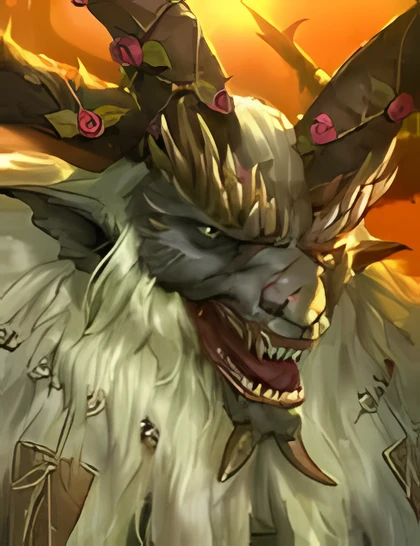
История о маркизе Хоронаре известна многим. Надменный дворянин был проклят Арбитром за бессердечные поступки и жил в обличье зверя, прежде чем полюбить Минаю, которая, в свою очередь, полюбила его. Эту историю рассказывали настолько часто, что многие детали изменяли и сокращали по ошибке или по желанию. Таким образом появлялись ее вариации. Этот архетип укоренился среди населения Телерии, особенно среди романтических Баннеретов, пересказы которых наиболее подробны.
В начале сказки маркиз – человек с чудовищным характером, а к концу он в облике чудовища становится настоящим мужчиной, сильно изменившимся и добрым. Он получает искупление ценой многих страданий, но эти страдания не сломили его волю, не ввергли его в отчаяние и жалость к себе. Хоронар начинает поступать правильно и со временем учится жить для других. Страдания и исцеление Хоронара – это аллегория не только фатальных недостатков, которыми обладают и с которыми борются все люди, но и сил любви и взаимного сострадания.
Однако есть и другой смысл, менее очевидный в большинстве пересказов. Его можно найти в самых ранних версиях, основанных на рассказах из первых уст. В эту историю вплетен тонкий, но очень реальный страх перед оборотнями и распространением их звериного проклятия. И хотя Хоронара проклинает праведная рука Арбитра, каждый крестьянин знает, что любого может постичь та же участь из-за злого рока или отсутствия бдительности. Слушатели знают, что рассказы о буйстве Хоронара не плод воображения. Они основаны на травмирующих воспоминаниях многих поколений о жизни с оборотнями.
Легенда о Хоронаре – это история об искуплении, а прощение Арбитра в этой истории – аллегория того, что все оборотни могут жить как прежде. Хотя животное начало навсегда изменило их, их умы и души всё еще способны на нежность и любовь, доблесть и благородство. Эта история убеждает слушателей в том, что ужасное проклятие оборотня не приговор.
Самым интересным является конец или, скорее, его отсутствие. В финале Миная умирает, а Хоронар убит горем, несмотря на одержанную победу. Арбитр появляется еще раз и возвращает Минаю к жизни в знак признания истинной доброты оборотня. Но дальше версии этой истории расходятся. В Кейроке, следуя высоким рыцарским традициям в романтическом жанре литературы, рассказ завершается тем, что Хоронар принимает человеческую форму. Он восстанавливает свой благородный титул и вместе с Минаей правит долго и счастливо. Представители Священного ордена ненавидели оборотней и не позволили бы распространиться версии, в которой Хоронар остался в зверином обличье. Но народные предания Кейрока и Земель возрождения часто опускают информацию о том, что Арбитр избавила его от проклятия. В этой интерпретации сказки Хоронар остается оборотнем и правит, несмотря ни на что. Такая версия истории раскрывает страхи людей относительно возможности того, что оборотень станет лордом и наоборот, а также того, что из этого выйдет. Еще один финал рассказа повествует, что Хоронар живет счастливо с Минаей. Но он не возвращает себе свой титул и земли. Эта версия наиболее любима среди крестьян.
В самой захватывающей истории говорится: Арбитр сказала Хоронару, что его долг перед силами добра не выплачен. Она не сняла с него проклятие оборотня. Возможно, он сам так захотел. Миная, воскрешенная Арбитром из мертвых, отказалась расстаться с ним. Они оба предложили свое вечное служение свету и заключили свои души в осколки. Когда мир поглотит хаос, Миная и Хоронар вернутся на поле битвы, чтобы спасти Телерию или же сражаться до последнего во имя богини.
Текст: Plarium, RAID: Shadow Legends — официальная локализация.
Текст в оригинале (EN)
The tale of Marquess Khoronar has been told before: how the haughty nobleman was cursed by the Arbiter for his callous ways and lived as an imprisoned beast, but was yet redeemed by his love for Minaya who loved him in turn. As it was told and re-told, often changed and abridged by mistake or for the sake of brevity, taste, and censorship, variations on its theme emerged, and the story was rubbed smooth of many details. Its archetype became embedded in the psyche of the Humans of Teleria, especially among the romantic Banner Lords, from whom the most detailed retellings derive.
At tale's beginning, the marquess is a man of monstrous character in a Human body, and by its end his monster's body holds a true man's, much changed and purified. His redemption comes at the cost of much suffering, but that suffering does not break his will, it does not send him into a spiral of despair and self-pity. He continues to do right by himself and eventually learns to live for others as well. Most readily understand that Khoronar's suffering and healing are an allegory for the fatal flaws all people possess and must address, and of the power of love and mutual compassion.
But there is another layer of meaning, less obvious in most tellings of the tale, but more clear in the earliest fragmentary versions based on first-hand accounts. Weaved into the story is a subtle but very real fear of Skinwalkers, and the spread of their bestial curse. Although in the story the righteous hand of the Arbiter is the one that damns Khoronar, every peasant hearing the tale knows that any one of them could also suffer the same fate but from cruel, random chance or lack of vigilance. All listeners know that the vivid accounts of Khoronar's rampages aren't drawn completely from imagination, but yield from so many generations' traumatic memories of living with Skinwalkers.
Faithful tellings, however, are more than a simple cautionary tale, for the Khoronar fable is one of redemption, and the Arbiter's forgiveness in the tale is an allegory for what is possible for all Skinwalkers. Though they are permanently changed by their animal possession, their minds and their souls are still capable of tenderness and love, valor, and nobility. This story's heart reassures listeners that the terrible Skinwalker curse does not have to truly mean the end.
The most fascinating thing for some, about Khoronar's tale, is its end, or rather its lack of a definitive end. Each ending has Minaya slain and Khoronar triumphant but heartbroken, only for the Arbiter to appear once more and return Minaya to life in acknowledgement of Khoronar's genuine turn of goodness. But afterward, the narratives diverge. The high chivalric tradition of Kaerok, with its romantic genre of literature, ends the tale with Khoronar returned to his Human form, restored to his lordly title with Minaya as his bride, their rule long and blessed. The Sacred Order's hatred of Skinwalkers means that he can not, in official canon, remain one and be a respected ruler. But folk tellings from Kaerok and the Land of Rebirth often omit the Arbiter's lifting of the Skinwalker curse from Khoronar. In this rendition of the tale, he remains a Skinwalker and reigns regardless. This twist reveals the peoples' fears and uncertainties regarding the mere possibility of a Skinwalker becoming a lord or a lord becoming a Skinwalker, and what would come of it. In yet another ending, Khoronar does not return to rulership at all, but still manages to live happily ever after with Minaya, leaving his land and title behind along with his arrogance and cruelty. This ending is most loved among peasants.
And then there is the most fascinating ending of all… Some say that the Arbiter told Khoronar that his debt to the forces of goodness and Light was still unbalanced, and left Khoronar a Skinwalker, perhaps by his own choice. Minaya, having been raised from death by the Arbiter, refused to be parted from his side. And so, both of them offered their eternal service to the Light and had their souls bound to Shards. When the world reaches a crisis it cannot bear, and the end times descend, Minaya and Khoronar will return to the battlefield to save Teleria, or else fight to the last in the name of the Goddess.