
История героя
Барот Кровавый
Варвары · Здоровье
Рокот Громовой горы ознаменовал рождение Барота Кровавого. По крайней мере, так поют скальды Рейдеров Пустоши. При первом содрогании земли все люди покинули поселение. Остались только родители Барота: его рожающая мать не могла передвигаться, а отец отказался бросить жену и нерожденного ребенка.
Вернувшись домой, жители услышали детский плач и треск пламени. Оказалось, что огненные осколки упали на хижину родителей Барота. Они оба погибли, а ребенок каким-то чудом не пострадал. Люди восприняли это как знак. Сироту усыновил вождь их поселения. Он назвал малыша Баротом, что на местном диалекте означало «тот, кто выжил».
Суеверные норры считали обстоятельства его рождения благоприятными. Однако сам Барот был равнодушным к собственному происхождению. Он сосредоточился на том, чтобы стать воином, достойным своего народа и приемного отца. Барот научился орудовать копьем, мечом и боевым молотом, однако предпочитал парные топоры. Для их освоения требовалась бесстрашная жестокость, которая заставляла его сердце биться сильнее. Мастерство Барота росло, но чего-то не хватало. Он чувствовал, что ему было суждено стать великим.
Это ощущение только усилилось в тот день, когда Громовая гора снова проснулась. Вдоль нижних склонов образовались разломы, из которых вырывался дым... и еще нечто. Долго дремавшее вулканическое чудовище приняло форму огромного красного змея. Он обрушился на поселение в тот момент, когда жители бежали в безопасное место. Чудовище разрушало дома и целиком пожирало неудачливых норров, в числе которых оказался и вождь.
Только Барот не убегал. Инстинкт подсказывал ему, что он должен сразиться с существом, хоть воин и понимал, что это равносильно смерти. Небо покраснело от неистовства вулкана. На руинах своего дома Барот встретился в бою с огненным змеем, и чудовище поглотило его целиком. Утолив голод, змей собирался уже вернуться в глубины, из которых пришел, однако содрогнулся в агонии. Мгновение спустя Барот топорами прорезал отверстие в брюхе существа и выпал оттуда на землю. Пар поднимался от его пропитанного кровью тела. Издав боевой клич норров, Барот забил чудовище до смерти и взял голову как трофей. Клыки существа он позже превратил в рукоятки для новых топоров, выкованных из старых и охлажденных в крови змея.
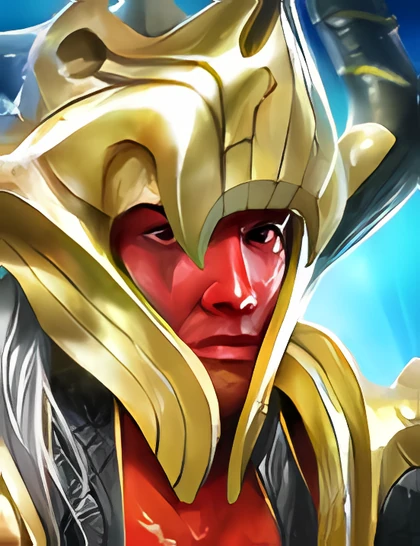
В последующие дни благодарные люди выбрали Барота вождем. Хоть он мало пострадал внутри змея, из-за желудочного сока и кипящей крови чудовища кожа воина навсегда окрасилась в яркий багровый цвет, а волосы поседели. Люди прозвали вождя Кровавым.
После убийства змея печальная слава Барота достигла эпических размеров. Похоже, что изменения были не только физическими. Уничтожение монстра сделало Барота бесстрашным. Теперь им овладел еще больший гнев. Прежний Барот жаждал славы, как любой норрский воин, а нынешний – только разрушений. Кажется, что эта потребность передалась и его последователям, воодушевленным всепоглощающей уверенностью воина. С недавних пор Барота и его рейдеров стали бояться во всех Пустошах за их жестокость в бою и разруху, которую они после себя оставляют.
Текст: Plarium, RAID: Shadow Legends — официальная локализация.
Текст в оригинале (EN)
The birth of Baroth the Bloodsoaked was heralded by the growl of the Thundermount, or so the skalds of the Deadland Raiders sing. At the first shaking of the earth, all his people abandoned their settlement besides his laboring mother, who could not be moved, and his father, who refused to leave his wife and unborn child.
When the other inhabitants of the settlement returned, they were greeted by the wail of a child and the crackle of flames. They discovered that fiery debris had struck the hut of Baroth’s parents, killing both but somehow leaving the child unharmed. The people saw it as an omen, and the orphan was adopted by the chieftain of the settlement. The chieftain named the foundling Baroth, which means ‘one-who-survives’ in his people's Norr dialect.
Though the circumstances of his birth were considered auspicious by the superstitious Norr, Baroth grew to manhood unconcerned with his own origins. Instead, he focused on becoming a warrior worthy of his adoptive father, and his people. Though he learned to use many weapons, whether javelins, swords, or warhammers, he favored paired hand-axes, for mastering them required fearless aggression and little made his heart pulse more. Despite his growing skill, something was lacking. Baroth could feel it; it was as if he were meant for greatness.
That feeling only grew stronger the day the Thundermount rumbled anew. Fissures opened along the lower slopes, venting smoke… and something else. A long-dormant volcanic beast that took the form of a great red serpent. It struck the settlement even as the inhabitants fled the mountain’s rumblings, destroying homes and devouring many of the unfortunate Norr whole, including Baroth’s adopted father.
Baroth alone didn’t flee, for some instinct compelled him to meet the creature in battle, though he suspected it would mean his death. In the ruins of his home, as the sky turned red with the mountain’s fury, Baroth challenged the fire-serpent and was swallowed whole. Hunger assuaged, the monster made as if to return to the depths from which it had come, only to convulse in agony. Moments later, Baroth carved a hole through the beast’s abdomen with his axes and fell through it to the ground, steam rising from his bloodsoaked form. Howling a Norr warcry, Baroth hacked the beast to death and took its head for his trophy. Later, he had the creature’s fangs carved into hafts for a new pair of axes, forged from the old and cooled in the serpent’s blood.
In the days that followed, Baroth was named chieftain by his grateful people. It was discovered that though he’d suffered little harm in the snake’s belly, his skin had been permanently stained a vibrant crimson and his hair had been turned white by its stomach acids and boiling blood. Fittingly, his people gave him the epithet ‘the Bloodsoaked’.
Since his slaying of the serpent, Baroth’s infamy has grown to epic proportions. It seems that the changes to him were not merely physical. His conquering of the monster has made him fearless. He is now possessed of a greater fury than before. Where the Baroth of old was as glory-hungry as any young Norr warrior, this new Baroth is hungry only to destroy. This need has seemingly infected his followers as well, who are equally carried along by his overwhelming confidence. In recent times, he and his Raiders have become feared throughout the Deadlands for their savagery in battle and the utter devastation they leave in their wake.