
История героя
Алсгор Багровый
Варвары · Здоровье
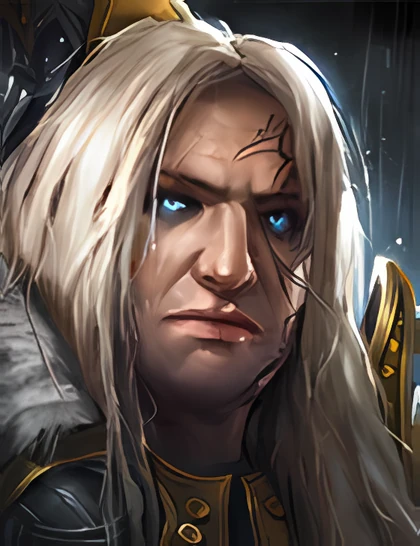
Алсгор вырос в заснеженном поселении Багровая вершина на севере Кровавых гор. Он наслаждался привилегиями как потомок влиятельного клана, будущий правитель, привлекательный и всеми любимый парень. Он был обучен военным искусствам и политике, с детства подготовлен к роли лидера. Его жизнь выглядела очаровательной. Но за приветливой улыбкой и, казалось бы, уверенными словами Алсгора таилось беспокойство. Втайне он чувствовал, что его харизма не что иное, как поверхностное мудрование и манипуляция, что его статус не заслуженный, а дан с рождения. Что знания ему подносили на блюдечке, а испытания тщательно выбирали, чтобы не бросать серьезный вызов. Угнетенный нависающей обязанностью быть лидером, он провел годы, сражаясь с врагами крепости и пытаясь выбросить эти мысли из головы.
Став правителем после смерти родителей, Алсгор едва успел погоревать, как был брошен в мир политических маневров и безжалостного властолюбия. Он был окружен льстецами, которым не мог доверять, и недругами из кланов и королевств соперников. Его подстерегали постоянные угрозы стихийных бедствий, нападения монстров и нежити. Эта роль выдалась ему невыносимой, хоть его и готовили к ней всю жизнь. Он поддерживал репутацию идеального лидера, как и ожидал народ. Но наедине его одолевали то душераздирающая печаль, то приступы ярости. Если бы не встреча с Джетни Гигантессой, его правление закончилось бы впечатляющим провалом.
Джетни была ётуном, которая стремилась стать известной, запугивая поселения на окраине обжитых земель. Багровая вершина оказалась самым близким поселением, достаточно сильным, чтобы одолеть бушующую великаншу. Именно Алсгору выпала эта задача. Его советники предложили собрать отряд или назначить премию за голову Джетни, чтобы наемники несли всю тяжесть неизбежных потерь в столкновении с ётуном. Впервые в жизни Алсгор отверг слова мудрых людей, так тщательно выбранных его предками для наставлений. Он не хотел использовать военные силы государства против нее, хотя она и была преступницей. Он решил лично поговорить с Джетни, несмотря на огромную опасность. Его придворные были потрясены, но ничего не могли поделать, кроме как согласиться.
Встреча быстро переросла в драку. Ни Алсгор, ни Джетни не воспользовались оружием, пустив в ход кулаки и ноги. Сердце Алсгора бешено колотилось, в бою он был сосредоточенный и беззаботный, как никогда раньше. Но его качества государственного деятеля преобладали даже во время битвы. Алсгор пытался образумить Джетни, а когда бой замедлялся, выкрикивал проникновенные речи о славе цивилизации и глупости слепой агрессии. В перерывах между ударами он говорил о друзьях и семье, о месте, которое нужно любить и защищать. После ее очередного мощного удара он прохрипел, что ей нужна высшая сила, которой можно верно служить и на которую можно положиться в периоды беды, сомнения и слабости. Он сам не знал, верил ли он в то, о чем говорил, или просто надеялся, что эти слова подействуют. Наверное, этой речью он пытался убедить и себя, и ётуна. Это было сообщение своему напуганному внутреннему ребенку.
Алсгор и Джетни боролись до изнеможения. Тогда вмешался почетный караул Алсгора и сковал измученную великаншу массивными цепями. Когда Алсгор оправился после боя, его попросили вынести вердикт на суде Джетни за весь вред, который она причинила в Багровой вершине и за ее пределами. Большинство считало, что гигантессу ожидает казнь. Но по личным соображениям, которые, возможно, никто никогда не узнает, Алсгор постановил, что Джетни отправится на исправительные работы в земли, которые она раньше запугивала, и далее по всему Фростхейму. Он назвал это дорогой искупления и исправления ётуна, которая сбилась с пути. Но в равной степени это была дорога самоосмысления и самопознания для него, обеспокоенного правителя. Он произнес праведную речь для нее, но мог ли он сам жить в соответствии со своими наставлениями? Если ему не удастся помочь исправиться одной личности, как он мог управлять народом?
Текст: Plarium, RAID: Shadow Legends — официальная локализация.
Текст в оригинале (EN)
Alsgor grew up in the snowy northern hold of Crimsonhorn in the Redspike Mountains. He enjoyed more privilege than most, being a scion of an influential clan, the hetman-apparent, and a handsome, well-loved lad. He was trained in the arts of war and educated in politics, molded from childhood to fit the position of leadership. His life seemed charmed. Behind the affable smile and seemingly-confident words of Alsgor’s public persona, however, he was deeply troubled. Secretly, he felt that his charisma amounted to superficial sophistry and manipulation, not worthy of praise, and that his status was unearned and given to him only through birth and circumstance. He felt his learning was spoon-fed to him in manageable amounts, and stresses carefully doled out to him to test him but never deeply challenge him. Oppressed by the looming obligation of leadership, he spent years fighting the Hold’s enemies and trying to keep it out of his mind.
When his parents were laid to rest and he became the hetman of Crimsonhorn, Alsgor scarcely had time to grieve before being thrust into a world of political maneuvering and ruthless power-mongering, surrounded by flatterers he could not trust nor truly confide in, with the wolves of rival clans and holdfasts at his door as well as the constant menace of monsters, Undead, and natural disaster. Even though it was the role he had been prepared to take for all his life, he found it demanding and unpleasant. While he maintained his façade of a perfect leader, knowing the people expected it of him, in private he lurched from crippling sadness to red fits of rage. Were it not for his meeting with Jetni the Giant, his reign may have ended in a spectacular downfall.
Jetni was a Jotunn bent on making a name for herself bullying outlying settlements on the verges of habitable land. With Crimsonhorn the closest hold of sufficient strength to defeat a rampaging giant, it fell to Alsgor to deal with her. His councilors advised him to assemble a warband, or put a bounty on Jetni’s head so that sellswords would bear the brunt of the inevitable casualties from a clash with the Jotunn. For the first time, Alsgor rejected the words of the wise people his forebears had carefully chosen to advise him out of hand. He did not wish to use the power of a state’s military violence against her, criminal though she was. He decided to parley with Jetni personally, in spite of the immense danger. His courtiers were shocked but could do nothing but placate their liege and agree.
The meeting devolved swiftly into a brawl, with both Alsgor and Jetni disdaining their weapons in favor of a more primal duel of fists and feet. Locked in solo combat, heart pounding, Alsgor felt focused and untroubled in a way he had not experienced since becoming hetman. But his training as a statesman still prevailed upon his hard-pressed mind even in combat. As he and Jetni clashed, Alsgor tried to reason with her, and when the tempo of their battle lulled he gasped out a heartfelt argument on the glory of civilization and the folly of blind aggression. Between punches he told her to cultivate friends and family, and a place to love and protect. When she struck him with the force of ten men, he wheezed through his broken ribs that she needed a higher power to faithfully serve and rely on in times of trouble, doubt, and weakness. As he said these things he did not know if he himself believed them, or if he was simply relying on what he knew would be effective rhetoric. Perhaps his speech was meant to persuade himself and the Jotunn alike, a message from his higher self addressing the frightened child within him.
Alsgor and Jetni fought to a standstill, at which point Alsgor’s honor guard intervened and bound the exhausted giant in massive chains. When Alsgor had recovered from the fight he was asked to render a verdict at Jetni’s trial for the harms she had done to all the outlying settlements of Crimsonhorn and beyond. Most assumed that execution would be the giant’s fate. But, for reasons of his own that might never come to light, Alsgor decreed that Jetni would perform a tour of penitentiary service throughout the lands that she had once terrorized, and onward from there all across Frostheim. He called it a journey of punitive redemption and rehabilitation for the wayward Jotunn, but it was just as equally meant to be a journey of self-reflection and self-discovery for the troubled ruler himself. He had made a righteous speech to her, but could he live up to his own exhortations? If he could not manage to improve the nature of one individual, how could he be fit to rule over the masses?